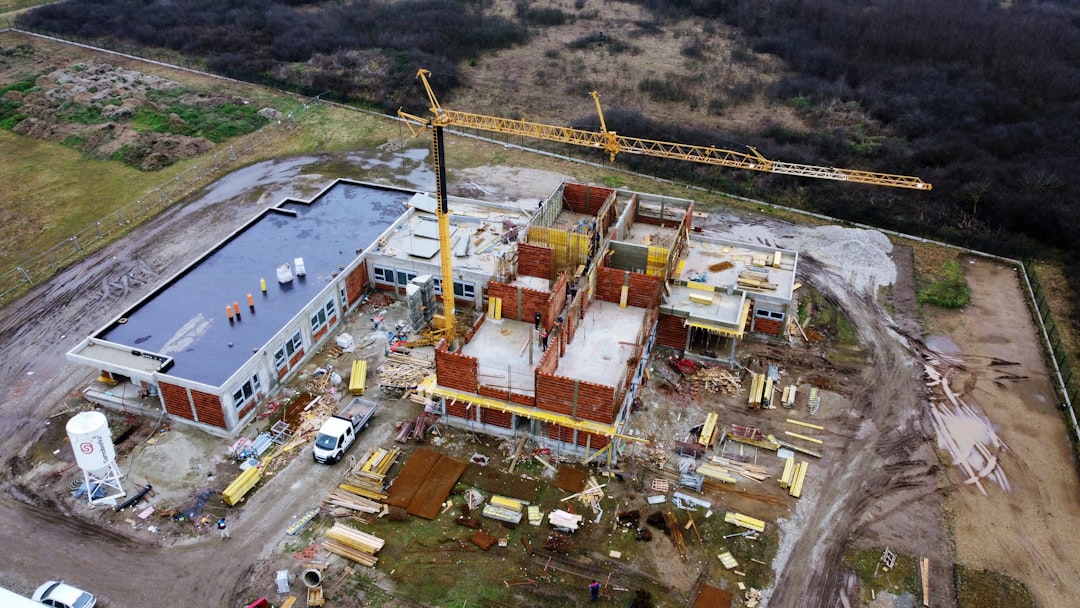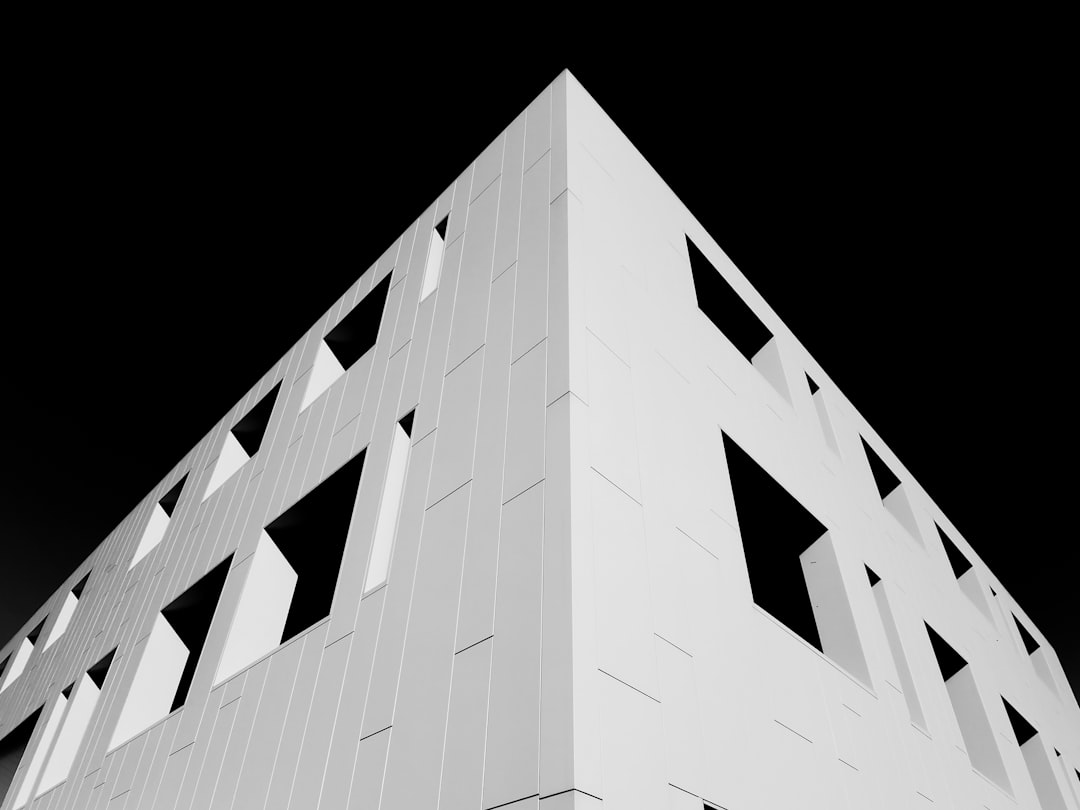


Construction and renovation projects, particularly those involving multiple trades, present a complex ecosystem of interconnected tasks. The French term « Travaux tous corps d’état, » often translated as « all trades » or « general contracting, » encapsulates the comprehensive nature of these undertakings. It signifies a project managed from inception to completion, encompassing a diverse range of disciplines from structural work to interior finishing. While the allure of a single point of contact for a multifaceted project is undeniable, the true success of « travaux tous corps d’état » hinges not merely on the presence of various skilled professionals, but critically, on their seamless coordination. This article will delve into the paramount importance of coordination in such projects, exploring the underlying principles, inherent challenges, and the tangible benefits of a well-orchestrated approach.
The concept of « travaux tous corps d’état » signifies a holistic approach to construction and renovation. It moves beyond the simple engagement of individual specialists and instead envisions a unified project where all elements are designed to function harmoniously. This can encompass everything from foundational excavation and structural framing to electrical wiring, plumbing installation, HVAC systems, plastering, painting, and final landscaping. The underlying principle is that each trade, while specialized, is an indispensable cog in a larger, intricate machine. Pour commencer, n’hésitez pas à Lancer votre projet de construction avec notre équipe experte.
La Nature Interdépendante des Disciplines
At its core, « travaux tous corps d’état » recognizes that the various disciplines involved are not isolated islands of expertise but rather interconnected components. The timing and execution of one trade directly influences the feasibility and quality of subsequent ones. For instance, the structural integrity of a building (maconnerie, charpente) must be established before internal partitions (cloisons) can be erected. Similarly, electrical and plumbing infrastructure (électricité, plomberie) must be meticulously planned and installed within walls and ceilings before finishing work (enduits, peinture) can commence.
L’Impact sur la Séquence et la Logistique
The sequential nature of construction requires disciplined planning and scheduling. Without proper coordination, delays in one area can create a domino effect, impacting the entire project timeline. Imagine a painter waiting for plasterers to finish, who in turn are awaiting the electrician to complete their wiring. This cascade of delays can lead to significant cost overruns and frustration. Effective coordination ensures that tasks are performed in the optimal order, minimizing downtime and maximizing workforce efficiency.
L’Intégration Technique et Normative
Beyond mere scheduling, coordination ensures that technical specifications and regulatory requirements are met across all trades. For example, the installation of HVAC systems must consider the architectural design and placement of structural elements, preventing conflicts and ensuring optimal performance. Furthermore, adherence to building codes and safety standards is a universal imperative that must be integrated into the planning and execution of every discipline.
La Gestion Centralisée : Le Rôle du Maître d’Œuvre
In the context of « travaux tous corps d’état, » the role of a central managing entity, often a « maître d’œuvre » (project manager or general contractor), becomes pivotal. This entity acts as the conductor of an orchestra, ensuring that each musician – or in this case, trade – plays their part in harmony and at the right moment. The maître d’œuvre is responsible for the overall planning, supervision, and coordination of all activities, serving as the primary point of contact for the client.
La Planification Stratégique et le Calendrier
The maître d’œuvre shoulders the responsibility of developing a comprehensive project plan. This plan outlines the scope of work, the sequence of operations, the allocation of resources, and a realistic timeline. It is a living document, subject to adjustments as unforeseen circumstances arise, but its genesis is rooted in meticulous strategic planning.
La Supervision et le Contrôle Qualité
Beyond mere scheduling, the maître d’œuvre is tasked with overseeing the quality of work performed by each trade. This involves regular site inspections, verification of compliance with specifications, and proactive identification of potential issues. Their discerning eye acts as a guardian of quality, ensuring that the final product meets the highest standards.
La Communication Fluide entre les Artisans
A critical function of the maître d’œuvre is to facilitate clear and consistent communication between all involved parties. This prevents misunderstandings, resolves conflicts promptly, and ensures that all trades are working towards a common goal. A lack of communication can be likened to a ship sailing without a compass; it’s destined to drift aimlessly.
Les Pièges de la Désynchronisation : Conséquences d’une Mauvaise Coordination
The absence of effective coordination within « travaux tous corps d’état » projects can lead to a cascade of negative consequences, impacting not only the timeline and budget but also the overall quality and durability of the finished product. These pitfalls are not mere inconveniences; they represent systemic failures that can undermine the very foundation of the project.
Les Retards en Cascade et l’Allongement des Délais
Perhaps the most immediate and visible consequence of poor coordination is project delay. When one trade fails to complete its work on time, it creates a bottleneck that impedes the progress of subsequent trades. This ripple effect can transform a manageable project timeline into an extended and unpredictable ordeal. Imagine a sculptor unable to add the final polished details because the master stonemason has not yet prepared the marble to the required finish; the artistry is stymied by a foundational oversight.
L’Effet Boule de Neige sur le Calendrier
A minor delay in an early stage can snowball into significant extensions further down the line. This « effet boule de neige » (snowball effect) is a common symptom of disorganization, where each subsequent delay exacerbates the impact of the initial one.
L’Impact sur la Logistique et la Disponibilité des Équipes
Extended timelines often lead to logistical challenges. Teams may need to be rescheduled, equipment availability might change, and the overall efficiency of the workforce can be compromised. This fragmentation of effort is a direct consequence of a lack of forward planning and synchronized execution.
L’Augmentation des Coûts et les Dépassements Budgétaires
Delays invariably translate into increased costs. Extended project durations mean more labor hours, additional material storage, extended equipment rental, and potential penalties for missed deadlines.
Les Coûts Cachés des Modifications Postérieures
Furthermore, poor coordination can lead to the need for rework. If, for instance, plumbing is installed without adequate consultation with the interior design team, it might necessitate costly modifications to accommodate cabinetry or aesthetic preferences. These are the hidden costs that can significantly inflate the original budget.
La Négociation Difficile et les Litiges Potentiels
When projects go awry due to coordination issues, disputes and litigation can arise. Clients may hold the general contractor responsible for delays and cost overruns, leading to protracted and expensive legal battles. This adversarial outcome can stain professional reputations and create lasting animosity.
Les Défis Qualitatifs et les Vices Cachés
The most insidious consequence of poor coordination lies in its impact on the quality of the final product. Rushed work, necessitated by delays, or an incomplete understanding of how different components interact can lead to structural weaknesses, functional inefficiencies, and ultimately, hidden defects.
La Compromission de l’Intégrité Structurelle
If structural elements are not properly integrated with other systems, such as HVAC or electrical conduits, it can compromise the building’s integrity over time. This is akin to building a magnificent façade without ensuring the robustness of its underlying framework.
Les Problèmes de Performance et de Durabilité
Ultimately, a lack of coordination can result in a building that does not perform as intended. Issues with insulation, ventilation, or water management can arise, leading to discomfort for occupants and a shortened lifespan for the structure. The long-term consequences of short-sighted, uncoordinated work can be profoundly detrimental.
Les Piliers d’une Coordination Réussie : Les Clés du Succès
Achieving effective coordination in « travaux tous corps d’état » projects is not an abstract ideal; it is a tangible outcome of implementing specific strategies and fostering a particular organizational culture. These pillars form the bedrock upon which successful project completion is built.
La Communication Transparente et Bidirectionnelle
Open and honest communication is the lifeblood of any collaborative endeavor, and construction is no exception. It must flow freely between the client, the project manager, and every individual trade on site.
Les Réunions de Chantier Régulières et Efficaces
Regular site meetings are essential for keeping everyone informed and aligned. These meetings should provide a forum for updates, problem-solving, and proactive planning. They are opportunities to ensure that all parties are singing from the same hymn sheet.
L’Utilisation d’Outils de Gestion de Projet Collaboratifs
Leveraging modern project management software and collaborative platforms can significantly enhance communication. These tools allow for shared access to project plans, progress reports, and communication logs, providing a centralized hub for all project-related information.
L’Écoute Active et la Résolution Proactive des Problèmes
Beyond mere information dissemination, fostering an environment of active listening and encouraging the proactive reporting of potential issues is crucial. When trades feel empowered to raise concerns early, problems can be addressed before they escalate.
La Planification Détaillée et l’Ordonnancement Précis
A well-defined plan is the blueprint for coordinated action. It must go beyond a high-level overview and delve into the specifics of each task and its interdependencies.
L’Élaboration d’un Planning Gantt Détaillé
A Gantt chart, with its visual representation of tasks, dependencies, and timelines, is an indispensable tool for detailed planning. It provides a clear roadmap and allows for easy identification of potential scheduling conflicts. We are not painting by numbers; we are orchestrating a symphony of construction.
L’Identification des Points de Blocage Potentiels et des Dépendances
Anticipating potential bottlenecks and clearly understanding the dependencies between different trades is a critical aspect of intelligent planning. This foresight allows for the development of contingency plans.
La Flexibilité et l’Adaptabilité du Planning Initial
While detailed planning is essential, the inherent nature of construction projects demands flexibility. The plan must be robust enough to accommodate unforeseen circumstances while remaining adaptable to necessary adjustments.
La Qualité de la Documentation Technique et des Plans
Accurate and comprehensive technical documentation is the common language that all trades must understand and adhere to. It eliminates ambiguity and ensures consistency in execution.
La Clarté des Plans d’Architecte et d’Ingénieur
The foundational plans provided by architects and engineers must be meticulously detailed and readily accessible to all trades involved. Any ambiguities should be clarified proactively.
La Spécification Précise des Matériaux et des Méthodes de Mise en Œuvre
Detailed specifications for materials and proposed methods of installation are paramount. This ensures that each trade uses the correct components and employs appropriate techniques, preventing compatibility issues.
La Tenue Rigoureuse des Carnets de Bord et des Rapports de Chantier
Maintaining detailed records of site activities, inspections, and decisions made is crucial for accountability and for tracking progress. These records serve as historical accounts that can be invaluable in resolving disputes or understanding the evolution of the project.
Les Bénéfices Tangibles d’une Coordination Exemplaire
The investment in meticulous coordination for « travaux tous corps d’état » projects yields significant and measurable benefits, impacting both the immediate project lifecycle and the long-term value of the constructed asset. These are not merely theoretical advantages; they translate into concrete successes.
L’Optimisation du Planning et le Respect des Délais
When trades work in concert, inefficiencies are minimized, and progress is consolidated. This synchronized approach directly contributes to the adherence to project timelines, a crucial factor for client satisfaction and for avoiding costly penalties.
Moins de Temps d’Arrêt et une Meilleure Utilisation des Ressources
A well-coordinated project experiences less downtime. Trades are engaged when they are needed, and resources – both human and material – are utilized to their maximum potential. This efficiency is like a well-oiled machine, where every component contributes seamlessly to the overall operation.
Une Meilleure Prévisibilité et une Gestion des Risques Accrue
With clear communication and detailed planning, potential risks and delays can be identified and mitigated well in advance. This increased predictability allows for more effective risk management and a smoother project execution.
La Maîtrise des Coûts et le Respect du Budget
Effective coordination directly translates into better financial management. By minimizing delays, rework, and unforeseen expenses, projects remain within their allocated budgets.
Réduction des Coûts Liés aux Retards et aux Modifications
The avoidance of costly delays and the need for rework significantly reduces the overall project expenditure. Every hour saved from a protracted timeline is a direct financial saving.
Une Meilleure Allocation des Ressources Financières
With a clear understanding of the project’s trajectory, financial resources can be allocated more strategically, ensuring that funds are available when and where they are needed, preventing cash flow issues.
L’Amélioration Qualitative et la Durabilité du Bâti
The most profound benefit of exemplary coordination lies in the elevated quality of the finished product. When all trades work cohesively, the resulting structure is more robust, functional, and aesthetically pleasing.
Une Intégration Harmonique des Différents Systèmes
All elements of the building, from the structural framework to the final finishes, are designed to work together seamlessly. This creates a harmonious and integrated whole, free from the operational conflicts that plague uncoordinated projects.
Une Meilleure Performance Énergétique et un Confort Accru
Properly coordinated installations of insulation, HVAC, and plumbing systems contribute to improved energy efficiency and a higher level of occupant comfort. These are long-term benefits that enhance the value and liveability of the property.
La Réduction des Risques de Malfaçons et des Vices Cachés
The meticulous attention to detail and the collaborative problem-solving inherent in coordinated projects significantly reduce the likelihood of construction defects and hidden faults, ensuring the longevity and integrity of the building.
L’Avenir de la Coordination dans les Travaux Tous Corps d’États
| Type de Travaux | Description | Durée Moyenne (jours) | Coût Moyen (€) | Nombre d’Artisans Impliqués |
|---|---|---|---|---|
| Maçonnerie | Construction et rénovation des murs, fondations et cloisons | 15 | 8000 | 3 |
| Plomberie | Installation et réparation des réseaux d’eau et évacuation | 7 | 3500 | 2 |
| Électricité | Mise en place des installations électriques et éclairage | 10 | 4500 | 2 |
| Peinture | Revêtement des murs intérieurs et extérieurs | 5 | 2000 | 2 |
| Carrelage | Pose de carrelage au sol et murs | 8 | 3000 | 2 |
| Menuiserie | Installation de portes, fenêtres et meubles sur mesure | 12 | 6000 | 3 |
The construction industry is in a constant state of evolution, driven by technological advancements and a growing demand for efficiency and sustainability. The field of « travaux tous corps d’état » is no exception, and its future will be significantly shaped by innovations in how coordination is managed.
L’Impact des Technologies Numériques de Pointe
The digital revolution has profoundly impacted all industries, and construction is no exception. The adoption of advanced digital tools is transforming how projects are planned, executed, and coordinated.
La Maquette Numérique (BIM – Building Information Modeling)
Building Information Modeling (BIM) is perhaps the most transformative technology in this regard. BIM creates a digital replica of the entire project, allowing for 3D visualization, clash detection, and simulation of various construction scenarios before a single brick is laid. This virtual prototyping allows for the identification and resolution of coordination issues in the digital realm, saving immense time and resources in the physical construction phase. Imagine building an entire skyscraper in a computer, identifying all potential conflicts between steel beams and HVAC ducts before you even break ground.
L’Intelligence Artificielle et l’Analyse Prédictive
As AI continues to mature, its application in construction project management will become increasingly sophisticated. AI algorithms can analyze vast datasets to predict potential delays, optimize resource allocation, and even identify optimal sequencing of tasks based on historical project data and real-time site conditions. This moves beyond simple scheduling to predictive and prescriptive management.
La Réalité Augmentée et Virtuelle pour la Supervision
Augmented Reality (AR) and Virtual Reality (VR) offer immersive ways to visualize and interact with project plans. Site supervisors can use AR to overlay digital models onto the physical construction site, verifying accuracy and identifying discrepancies in real-time. VR can be used for detailed training of trades and for immersive walkthroughs of complex assemblies, ensuring a shared understanding of intricate details.
La Valorisation de la Collaboration et de l’Interdisciplinarité
The future of successful « travaux tous corps d’état » lies in a deepened appreciation for collaborative practices and the seamless integration of diverse professional expertise. This requires a shift in mindset, moving away from siloed operations towards a truly integrated project delivery model.
Une Approche Intégrée dès la Conception
The most effective coordination begins at the earliest stages of design. Involving all key trades, including structural engineers, MEP (Mechanical, Electrical, Plumbing) consultants, and even specialists in façade engineering, from the outset ensures that design decisions are informed by constructability and operational considerations, preventing conflicts later on. This is about building robust bridges of understanding from day one.
La Formation Continue et le Développement des Compétences Collaboratives
The construction workforce of the future will require not only technical prowess but also strong collaborative and communication skills. Continued professional development programs focusing on interdisciplinary teamwork and conflict resolution will be essential to foster a culture of effective coordination.
La Mise en Place de Contrats Favorisant le Partage des Risques et des Bénéfices
Innovative contractual frameworks, such as Integrated Project Delivery (IPD) or specific forms of collaborative contracting, can incentivize all parties to work together towards common project goals. These models often align financial incentives with overall project success, encouraging a shared responsibility for coordination and quality.
The successful execution of « travaux tous corps d’état » is not solely a testament to the skill of individual trades, but more profoundly, to the art and science of their coordinated efforts. In the complex tapestry of construction, coordination acts as the intricate stitching that holds every element together, ensuring the integrity, functionality, and aesthetic appeal of the final structure. As the industry continues to evolve, embracing technological advancements and fostering a culture of deep collaboration will be paramount to unlocking the full potential of comprehensive building projects.
Obtenez vos devis gratuits en 2 minutes
FAQs
Qu’est-ce que les travaux tous corps d’état ?
Les travaux tous corps d’état désignent l’ensemble des interventions nécessaires à la construction, la rénovation ou la réhabilitation d’un bâtiment, impliquant plusieurs corps de métier comme la maçonnerie, la plomberie, l’électricité, la peinture, et la menuiserie.
Quels sont les avantages de faire appel à une entreprise tous corps d’état ?
Faire appel à une entreprise tous corps d’état permet de bénéficier d’une coordination centralisée des différents corps de métier, d’un gain de temps, d’une meilleure gestion du chantier, et souvent d’une réduction des coûts grâce à un interlocuteur unique.
Quels types de projets nécessitent des travaux tous corps d’état ?
Les travaux tous corps d’état sont généralement nécessaires pour les projets de construction neuve, de rénovation complète, d’extension de bâtiment, ou de réhabilitation lourde où plusieurs spécialités doivent intervenir simultanément ou successivement.
Comment se déroule la planification des travaux tous corps d’état ?
La planification commence par une étude du projet et un devis global. Ensuite, un calendrier est établi pour organiser les interventions des différents corps de métier, en veillant à respecter les délais et la coordination entre les équipes.
Quels sont les critères pour choisir une entreprise de travaux tous corps d’état ?
Il est important de choisir une entreprise expérimentée, disposant de références solides, capable de gérer plusieurs corps de métier, offrant des garanties légales, et proposant un devis clair et détaillé avant le début des travaux.