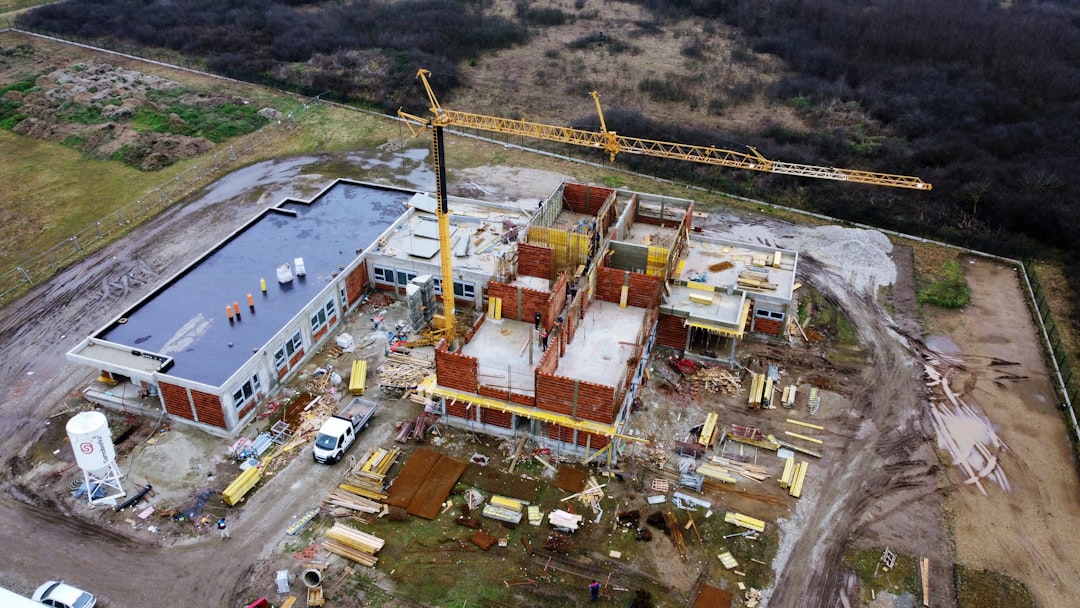


Navigating the landscape of construction and renovation projects, particularly in France, requires careful consideration when selecting the right professionals. The term « travaux bâtiment » encompasses a broad spectrum of activities, from minor repairs to extensive new constructions and renovations. At the heart of any successful project lies the crucial decision of choosing the appropriate entrepreneur. This choice is not merely administrative; it is a foundational element that can significantly impact the project’s outcome, budget, timeline, and ultimately, your peace of mind. As experts in this field, we understand the complexities involved and aim to provide you with a structured, authoritative guide to empower your decision-making process.
Before embarking on the search for an entrepreneur, a thorough self-assessment of your project requirements is paramount. This initial phase acts as the compass guiding your entire selection process. Without a clear understanding of what you need, you risk miscommunication, scope creep, and ultimately, dissatisfaction. Pour commencer, n’hésitez pas à Lancer votre projet de construction avec notre équipe d’experts.
Définir la Portée et la Nature des Travaux
The first step involves precisely defining the scope and nature of the « travaux bâtiment. » Are you planning a full-scale renovation of a historic property, a modern extension to your family home, a commercial fit-out, or simply essential repairs? Each type of work demands specific expertise. For instance, a kitchen renovation involves different skills and certifications than the structural reinforcement of a building or the installation of a new HVAC system.
Types de Projets Courants
- Rénovation: This can range from cosmetic updates to complete gut renovations. Consider the scale – is it a single room or the entire dwelling?
- Construction neuve: Building from the ground up requires an entrepreneur capable of managing all phases, from foundation to finishing.
- Extension: Adding space to an existing structure necessitates an understanding of its current architecture and structural integrity.
- Aménagement intérieur/extérieur: This includes tasks like landscaping, deck building, or interior design modifications.
- Réparations et entretien: Addressing wear and tear, or damage, requires a contractor with specific knowledge of the materials and systems involved.
Établir un Budget Réaliste
Budgeting is a critical component. While you may have a general idea of your financial constraints, it is essential to translate this into a realistic estimate for the planned works. Consider not only the direct costs of labor and materials but also potential contingencies for unforeseen issues. A well-defined budget will help you filter potential contractors by their pricing structures and ensure you are engaging with professionals who operate within your financial parameters.
Facteurs Influant sur le Coût des Travaux
- Ampleur des travaux: Larger projects naturally incur higher costs.
- Complexité technique: Specialized tasks or bespoke designs will increase the price.
- Matériaux choisis: The quality and type of materials selected have a direct impact on the overall budget.
- Accessibilité du site: Difficult-to-access locations can lead to increased labor and equipment costs.
- Délais: Urgent projects may command premium pricing.
Identifier les Compétences et Certifications Requises
Different construction projects necessitate specialized skills and certifications. A general contractor might oversee a broad range of works, but for specific elements such as electrical, plumbing, or structural engineering, you will need professionals with verified expertise. Researching the necessary qualifications for your project type is crucial to ensure you are hiring competent individuals.
Exemples de Compétences Spécifiques
- Maçonnerie: For structural work involving brick, stone, or concrete.
- Plomberie: For water supply and drainage systems.
- Électricité: For all wiring and electrical installations.
- Charpente et couverture: For roof structures and coverings.
- Menuiserie: For doors, windows, and structural timber elements.
- Isolation: For improving energy efficiency.
Rechercher et Sélectionner des Entrepreneurs Potentiels
Once your needs are clearly defined, the systematic search for suitable entrepreneurs can begin. This phase is akin to scouting for skilled artisans who possess not only the technical prowess but also the integrity required for your project. A broad search, followed by a rigorous vetting process, is the most effective strategy.
Obtenir des Recommandations et Consulter des Sources Fiables
Word-of-mouth referrals from trusted sources – friends, family, colleagues, or architects – can be invaluable. However, it is equally important to consult independent sources. Professional organizations, trade associations, and online platforms dedicated to the building industry can offer directories of vetted professionals. When seeking recommendations, probe for specifics: what was the nature of their project, were they satisfied with the quality of work, the communication, and adherence to budget and timeline?
Sources d’Information Utiles
- Témoignages et avis de clients: Look for reviews on independent platforms.
- Recommandations d’architectes ou d’ingénieurs: professionals who work regularly with contractors often have a keen insight.
- Associations professionnelles du bâtiment: Organizations like the FFB (Fédération Française du Bâtiment) or CAPEB (Confédération de l’Artisanat et des Petites Entreprises du Bâtiment) can be excellent resources.
- Plateformes en ligne spécialisées: CertiPrêt, Homlyng, etc., though always verify credentials independently.
Vérifier les Licences, Assurances et Références
This step is non-negotiable. A reputable entrepreneur will have all the necessary licenses and insurance. In France, specific certifications and insurances are legally mandated, such as the « assurance décennale » (ten-year liability insurance) which covers structural defects that may arise after the completion of the works. Always request proof of these documents. Furthermore, directly contacting previous clients to gauge their experience is a crucial part of due diligence. Ask about their satisfaction with the final result, the project management, and any challenges encountered.
Points Clés de la Vérification
- Assurance décennale: Essential for major works. Ensure it is current and covers the scope of your project.
- Assurance responsabilité civile professionnelle: For damages caused during the execution of works.
- Références de chantiers similaires: The entrepreneur’s experience with projects comparable to yours is a strong indicator of capability.
- Numéro SIRET/SIREN: To verify the legal registration of the company.
Demander Plusieurs Devis Détaillés et Comparer
Never settle for a single quote. Obtain at least three detailed quotes from different contractors. A « devis » (quote) should be more than just a number; it should be a comprehensive document outlining the scope of work, materials to be used, timeline, payment schedule, and any specific exclusions or inclusions. Comparing these offers allows you to identify discrepancies in pricing, scope, and proposed methodologies. Be wary of quotes that are significantly lower or higher than the others; they may indicate either an undervalued service or an inflated price.
Composition d’un Devis Complet
- Identification de l’entreprise: Nom, adresse, coordonnées, numéro d’immatriculation.
- Description détaillée des travaux: Incluant les phases, les matériaux et les finitions.
- Prix unitaire et total: Avec distinction des taxes (TVA).
- Délais de réalisation: Dates de début et de fin prévisionnelles.
- Modalités de paiement: Acompte, paiements intermédiaires, solde.
- Conditions générales: Garantie, assurances, garanties légales.
Évaluer la Communication et le Professionnalisme
Beyond technical skills and financial standing, the way an entrepreneur communicates and conducts themselves is a strong indicator of their reliability and commitment. A smooth and transparent communication channel is as vital as the structural integrity of the building you are creating or renovating.
La Qualité de la Communication Initiale
From the very first interaction, an entrepreneur’s responsiveness, clarity, and willingness to listen are critical. Do they return your calls and emails promptly? Do they ask pertinent questions to understand your needs fully? Are they able to explain technical aspects in a way you can comprehend? A contractor who communicates effectively demonstrates respect for your project and your concerns.
Signes d’une Bonne Communication
- Réactivité: Prompt responses to inquiries.
- Clarté: Explanations that are easy to understand, avoiding excessive jargon.
- Écoute active: Demonstrating an understanding of your priorities and concerns.
- Transparence: Openness about the process, potential challenges, and costs.
Le Professionnalisme sur le Chantier
Observe how the entrepreneur and their team conduct themselves on-site. Are they organized, tidy, and respectful of your property? Do they adhere to safety protocols? A professional approach to site management contributes to a safer and more efficient working environment, and ultimately, a better finished product.
Indicateurs de Professionnalisme sur Chantier
- Respect des délais convenus pour les visites et les rendez-vous.
- Organisation du lieu de travail: Propreté, gestion des déchets, sécurité.
- Comportement de l’équipe: Courtoisie, respect des règles et des riverains.
- Respect des protocoles de sécurité.
La Clarté du Contrat et des Documents Contractuels
The contract is the bedrock of your agreement. It should be meticulously drafted, unambiguous, and reflect all discussions and agreements. Thoroughly review the contract before signing. Do not hesitate to ask for clarification on any clause that seems unclear or unusual. A reputable contractor will welcome your engagement in the contractual process, understanding it as a mutual commitment to a successful project realization.
Éléments Essentiels du Contrat
- Description exhaustive des travaux et des prestations.
- Prix convenu et modalités de paiement détaillées.
- Planning d’exécution clair et précis.
- Clause de modification des travaux: Procédure à suivre en cas de changements.
- Garanties et assurances applicables.
- Conditions de réception des travaux.
Comprendre le Devis et le Contrat
The contract and the quote are not just pieces of paper; they are the blueprint of your agreement, detailing the obligations and expectations of both parties. Understanding these documents thoroughly is essential to avoid disputes and ensure the project progresses as intended.
Analyse Détaillée du Devis
As previously mentioned, the « devis » is more than a price tag. It is the entrepreneur’s proposal for executing your project. A detailed analysis involves scrutinizing each line item: is the material specified precisely? Is the quantity accurate? Are the labor hours realistic? Comparing these details across multiple quotes will highlight significant differences that warrant further investigation. A vague or incomplete quote is a red flag.
Questions à Poser sur le Devis
- Quelle est la marque et le modèle des matériaux proposés ?
- Quelle est la durée estimée pour chaque phase des travaux ?
- Qui est responsable de la gestion des permis et des autorisations ?
- Que se passe-t-il en cas de découverte de travaux imprévus ?
Négocier les Termes et Conditions
While thorough preparation can minimize surprises, negotiation is often part of the process. This can involve discussing payment schedules, material substitutions (if appropriate and cost-effective), or minor adjustments to the scope to better align with your budget. Approaching negotiation with a professional and collaborative mindset can lead to mutually beneficial outcomes. Remember, the goal is to establish a fair and clear agreement.
Stratégies de Négociation Efficaces
- Se baser sur des informations concrètes et des comparaisons.
- Être clair sur vos priorités et vos limites budgétaires.
- Privilégier une approche collaborative plutôt qu’adversariale.
- Formaliser tout changement ou accord négocié par écrit.
Clarifier les Modalités de Paiement et de Livraison
Payment schedules are often tied to project milestones. Ensure these are clearly defined and understood. Typically, an initial deposit is required, followed by interim payments based on completed phases, and a final payment upon satisfactory completion and acceptance of the works. Clarify what constitutes « satisfactory completion » and the procedures for inspecting and signing off on the completed project.
Points Importants sur les Paiements
- Montant de l’acompte: Généralement une partie raisonnable, ne dépassant pas 30%.
- Échelonnement des paiements: Lié à l’avancement des travaux, avec des jalons clairs.
- Paiement final: Conditionné par la levée des réserves et la réception des travaux.
Gérer la Relation et le Suivi du Chantier
| Type de Travaux | Durée Moyenne (jours) | Coût Moyen (en euros) | Matériaux Principaux | Impact Environnemental |
|---|---|---|---|---|
| Maçonnerie | 15 | 12000 | Briques, ciment, sable | Moyen |
| Charpente | 10 | 8000 | Bois, métal | Faible |
| Isolation | 7 | 5000 | Laine de verre, polystyrène | Faible |
| Plomberie | 5 | 3000 | Cuivre, PVC | Moyen |
| Électricité | 6 | 3500 | Câbles, disjoncteurs | Faible |
| Peinture | 4 | 1500 | Peintures acryliques | Faible |
Once the contract is signed and work commences, the relationship between you and the entrepreneur enters a dynamic phase of collaboration and oversight. Effective communication and proactive management are key to ensuring the project stays on track and meets your expectations. Think of this as tending to a delicate garden; consistent attention and care are required for it to flourish.
Maintenir une Communication Ouverte et Régulière
Establish a regular communication rhythm from the outset. Schedule brief weekly updates or site visits to discuss progress, address any emerging issues, and confirm upcoming activities. This proactive approach allows for early detection and resolution of potential problems, preventing them from escalating into major disruptions.
Méthodes de Communication Efficaces
- Réunions de chantier régulières: Permettent d’évaluer l’avancement et de discuter des points à venir.
- Emails et rapports de suivi: Pour documenter les décisions et les progrès.
- Photos et vidéos: Pour visualiser l’état d’avancement, particulièrement utile si vous n’êtes pas sur place quotidiennement.
Surveiller l’Avancement des Travaux
While you are entrusting the execution to the professionals, a reasonable level of oversight is prudent. This does not imply constant supervision, but rather periodic checks to ensure the work aligns with the contract’s specifications and your expectations. Compare the actual progress against the agreed-upon timeline and scope.
Points de Contrôle Essentiels
- Conformité des matériaux utilisés par rapport au devis.
- Respect des normes de construction et de sécurité.
- Qualité de la finition des travaux exécutés.
- Respect du calendrier prévu.
Gérer les Imprévus et les Modifications
In construction, the unexpected is often part of the journey. Discovering unforeseen structural issues or deciding to make minor adjustments to the design are common occurrences. It is crucial to have a clear process for managing these situations. Any changes to the original scope or budget should be formally documented through a change order, agreed upon by both parties, and signed before implementation.
Procédure en Cas de Modification
- Identification et évaluation de la modification.
- Établissement d’un avenant au contrat: Décrivant le changement, son coût et son impact sur le délai.
- Accord formel des deux parties avant toute exécution.
La Réception des Travaux et la Levée des Réserves
The final stage of a project is the « réception des travaux » (acceptance of works). This is a formal inspection where you, the client, assess the completed project. Any defects or non-conformities identified are recorded in a « procès-verbal de réception » (minutes of acceptance) and termed « réserves. » The entrepreneur is then obligated to rectify these issues within an agreed timeframe. Only upon satisfactory resolution of all reserves can the final payment be made and the project be considered fully completed.
Étapes Clés de la Réception
- Inspection minutieuse de l’ensemble des travaux.
- Documentation précise des éventuelles réserves dans le procès-verbal.
- Accord sur un délai de levée des réserves.
- Vérification de la levée de toutes les réserves avant le solde final.
Selecting the right entrepreneur for your « travaux bâtiment » is a strategic undertaking that demands diligence, patience, and a structured approach. By meticulously identifying your needs, conducting thorough research, fostering clear communication, and actively managing the process, you significantly enhance the likelihood of a successful project outcome. Remember, the contractor is not just a service provider; they are a partner in bringing your vision to life. A well-chosen and well-managed relationship will pave the way for a construction or renovation experience that is not only efficient and within budget but also ultimately fulfilling.
Obtenez vos devis gratuits en 2 minutes
FAQs
Qu’est-ce que les travaux de bâtiment ?
Les travaux de bâtiment regroupent l’ensemble des opérations liées à la construction, la rénovation, la réparation ou l’entretien des structures immobilières, telles que les maisons, les immeubles, les bureaux ou les infrastructures.
Quels sont les différents types de travaux de bâtiment ?
Les travaux de bâtiment peuvent inclure la construction neuve, la rénovation, la réhabilitation, les travaux de gros œuvre (fondations, murs porteurs), le second œuvre (plomberie, électricité, isolation) ainsi que les finitions (peinture, revêtements).
Qui peut réaliser des travaux de bâtiment ?
Les travaux de bâtiment sont généralement réalisés par des professionnels qualifiés tels que des architectes, des entrepreneurs, des artisans spécialisés (maçons, électriciens, plombiers) ou des entreprises du bâtiment disposant des certifications nécessaires.
Quelles sont les démarches administratives pour les travaux de bâtiment ?
Selon la nature et l’ampleur des travaux, il peut être nécessaire d’obtenir un permis de construire, une déclaration préalable de travaux ou d’autres autorisations auprès de la mairie. Il est important de se renseigner avant de commencer les travaux.
Comment financer des travaux de bâtiment ?
Le financement des travaux de bâtiment peut se faire par des fonds personnels, des prêts bancaires, des aides publiques (subventions, crédits d’impôt) ou des dispositifs spécifiques selon le type de travaux et la situation du propriétaire.